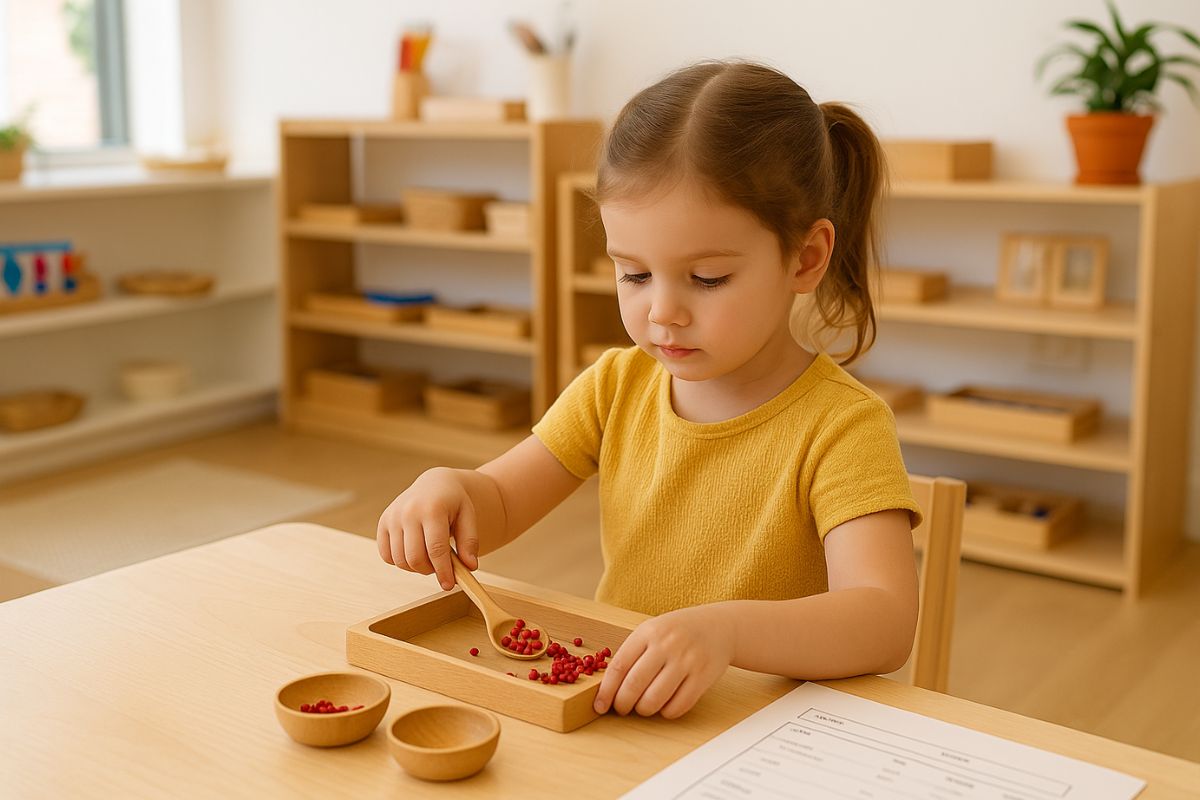
Step into a Montessori classroom, and one of the first things you’ll notice is the quiet confidence of the children. They’re not waiting for instructions. They’re not lined up for the next activity. Instead, they’re choosing their own work, moving freely, and engaging deeply—all without needing constant adult direction. This […]
Read More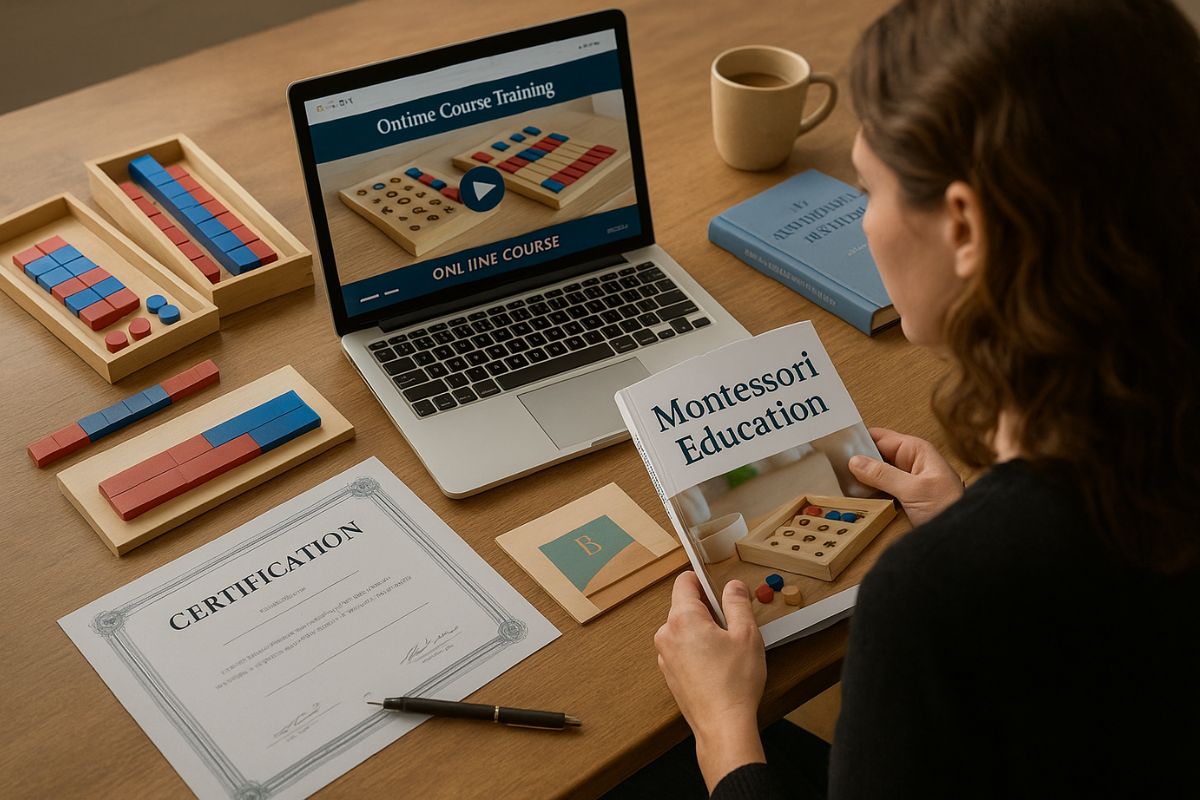
Overview of Certifications and Programs for Aspiring Montessori Educators
Choosing to become a Montessori educator is more than a career move. It’s a calling to nurture curiosity, independence, and lifelong learning in children. But before stepping into the classroom, many aspiring educators find themselves overwhelmed by one big question—how do you get trained? Montessori teaching is not just about […]
Read More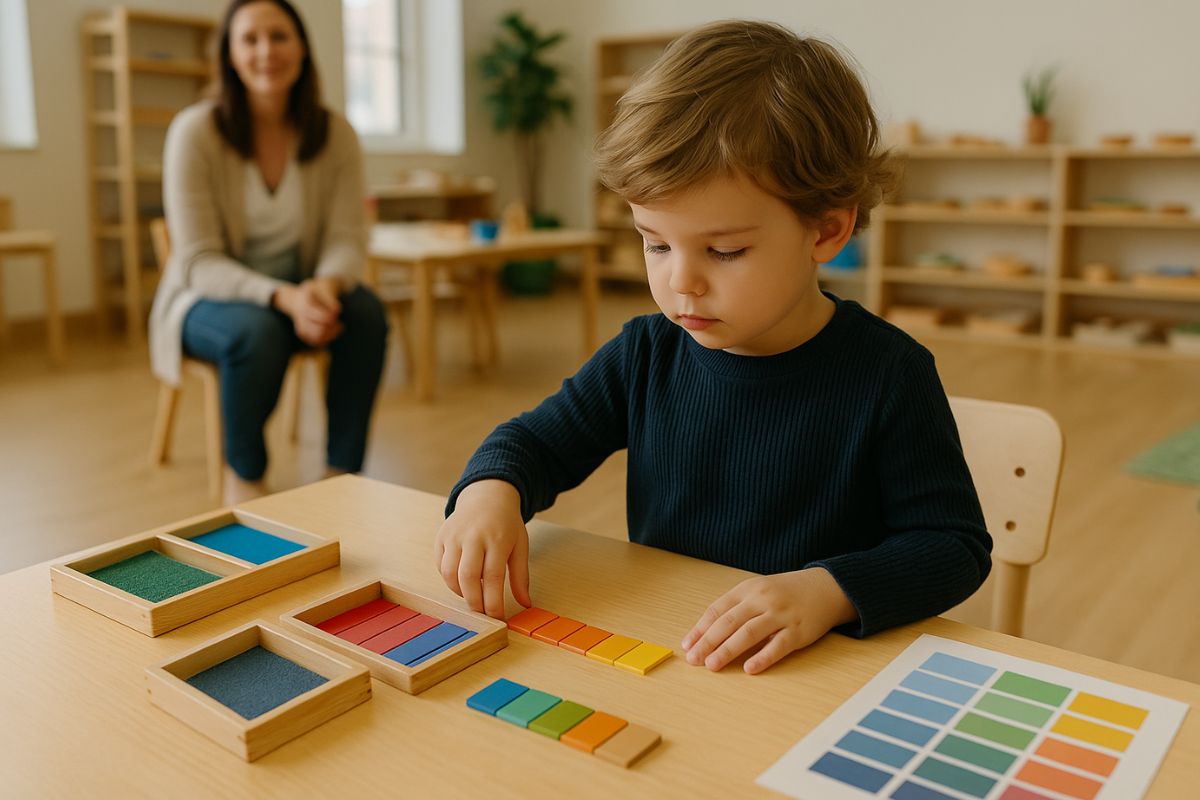
How Sensory Learning in Montessori Affects Cognitive Growth
Walk into a Montessori classroom and you’ll likely notice something different right away. Children aren’t lined up in desks. There’s movement. There’s calm. And most importantly, there’s touch—real, purposeful engagement with the physical world. From pouring water to tracing sandpaper letters, Montessori children are using their senses to build knowledge. […]
Read More
Building Numeracy Skills with Interactive Calculators
Math is more than just numbers—it’s a way of thinking, solving problems, and making sense of the world. For children, especially in early education, learning math should be engaging, hands-on, and meaningful. Montessori educators have long understood this and have used tactile tools to teach math concepts in ways that […]
Read More
How Montessori Aligns with Child Development Theories
Children grow, learn, and understand the world in ways that are both beautiful and complex. Educators and parents have long searched for the best ways to support that growth. Among the many approaches, Montessori education continues to stand out—not just for its unique classroom setup or quiet hum of independent […]
Read More
Effective Montessori Teacher Training Programs
Not all classrooms are created equal, and the same goes for teacher preparation. Montessori education offers a distinct approach to learning, so it makes sense that its teacher training would be different, too. For those curious about how educators become effective Montessori guides, it helps to take a closer look […]
Read More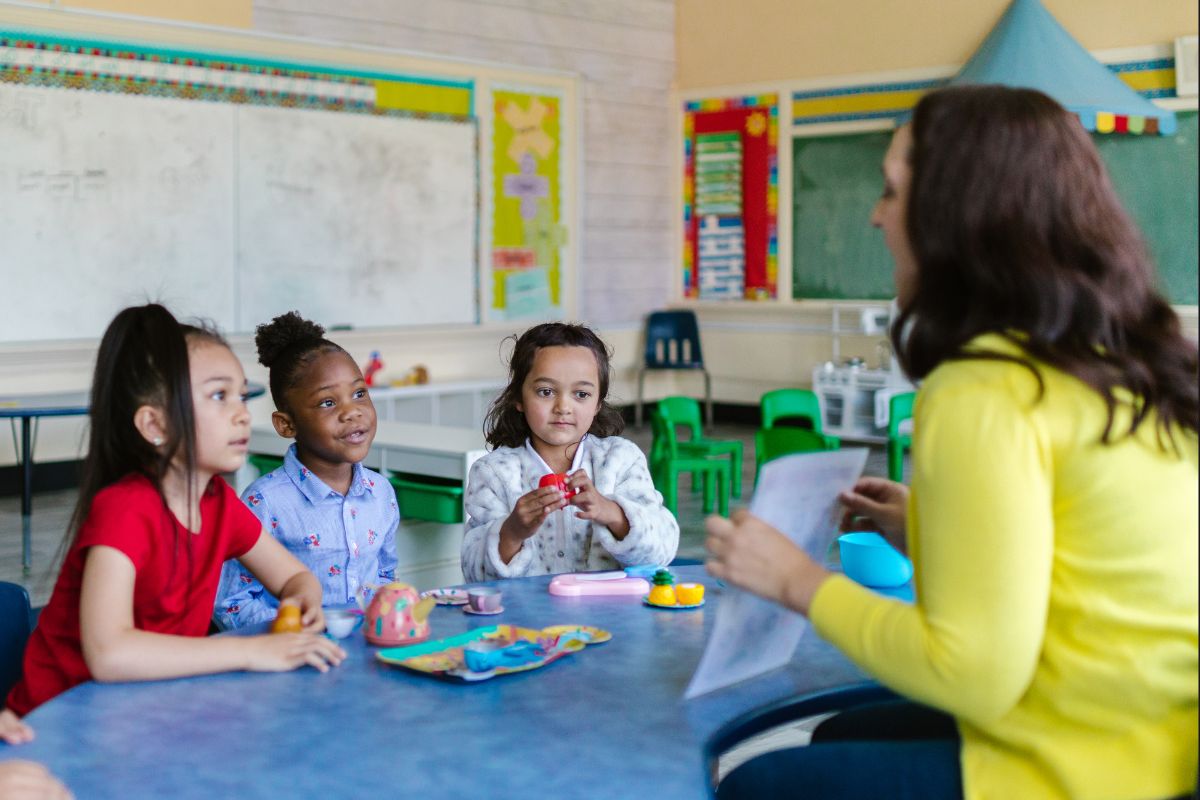
Comparing Learning Outcomes in Montessori and Conventional Schools
Parents and educators often find themselves asking: Do students really learn better in Montessori schools? Or do traditional classrooms provide a stronger academic foundation? The answer depends on what you measure—and how you define learning. Montessori and conventional schools operate with different values, classroom environments, and teaching approaches. But when […]
Read More
How Montessori Has Shaped Modern Teaching Methods
Walk into a progressive classroom today, and you’ll likely see students moving freely, choosing tasks, and working independently or in small groups. These ideas may seem new, but they’re rooted in something that started more than a century ago. Maria Montessori’s approach has had a quiet but lasting influence on […]
Read More
How Montessori Techniques Can Enhance Modern Education
Education continuously evolves to meet the needs of students. While many schools still rely on traditional teaching methods, the value of Montessori techniques in deepening learning is gaining recognition. Integrating Montessori methods into today’s education system can offer a more effective approach that caters to different learning styles. Quick Overview: […]
Read More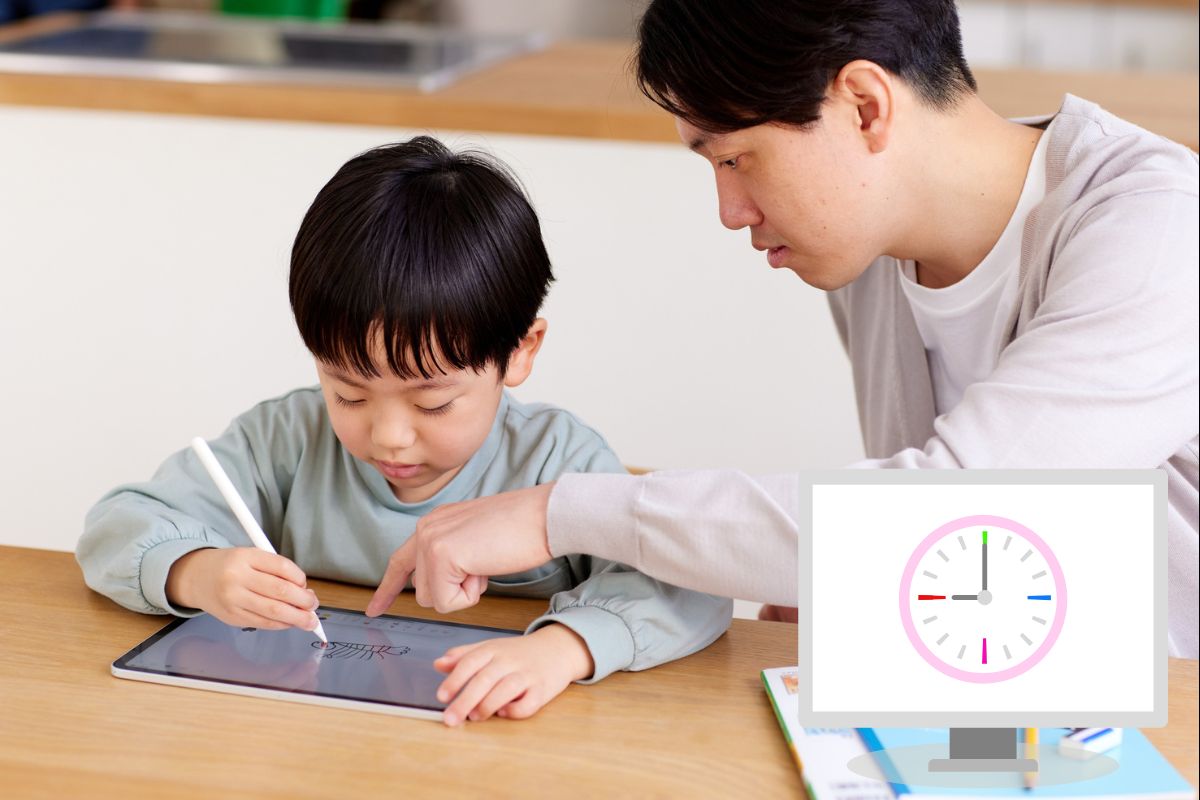
Teaching Time Awareness with an Interactive Clock Tool
Understanding the concept of time can be challenging for children. Grasping phrases like “one hour” or “five more minutes” isn’t as simple as counting numbers. Learning about different time formats, such as the 24-hour clock, can also enhance their comprehension. This is where interactive clock tools come in—an effective way […]
Read More