How Montessori’s geometric cabinet, constructive triangles, and metal insets build spatial reasoning and abstract math thinking in young children.
Read More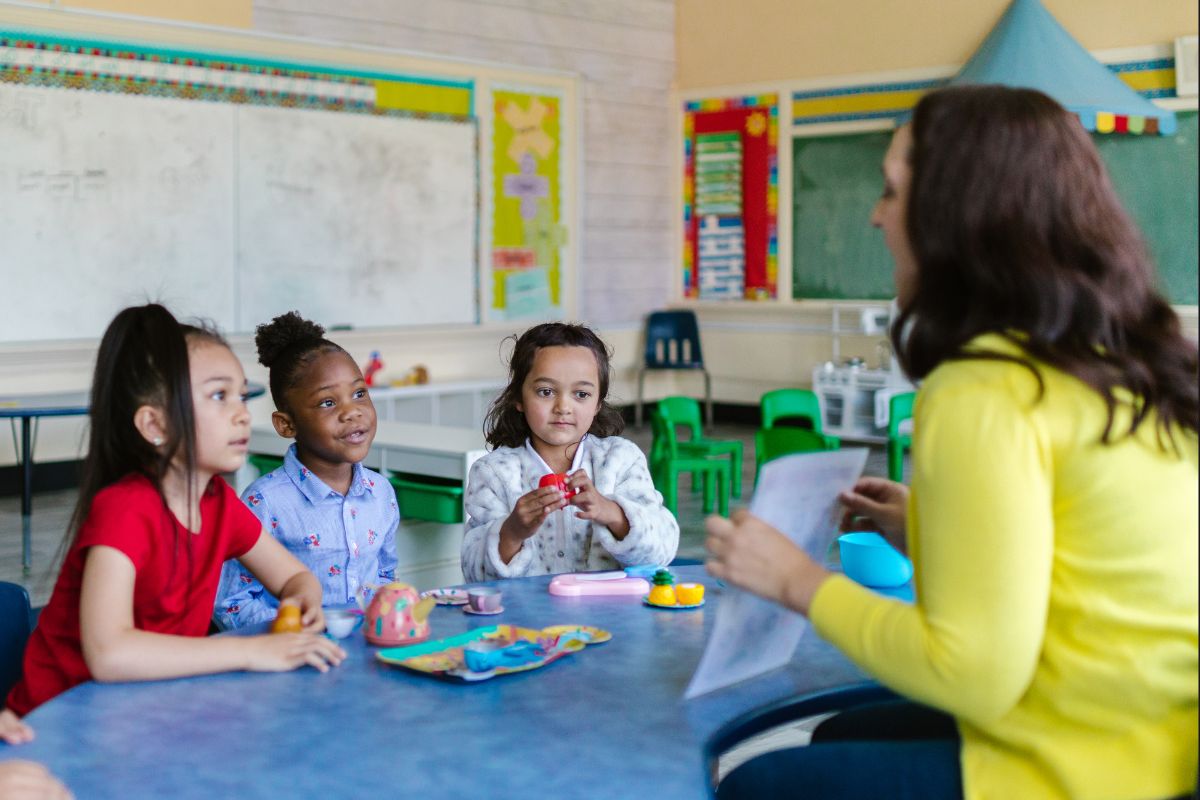
The Science Behind Attention and Concentration in Children
Children are not born with adult-style focus. Their attention grows through movement, language, sleep, curiosity, emotional safety, and repeated practice. This is why one child may concentrate deeply on pouring water for ten minutes, yet struggle to sit still during a long explanation. Attention is not a single skill. It […]
Read More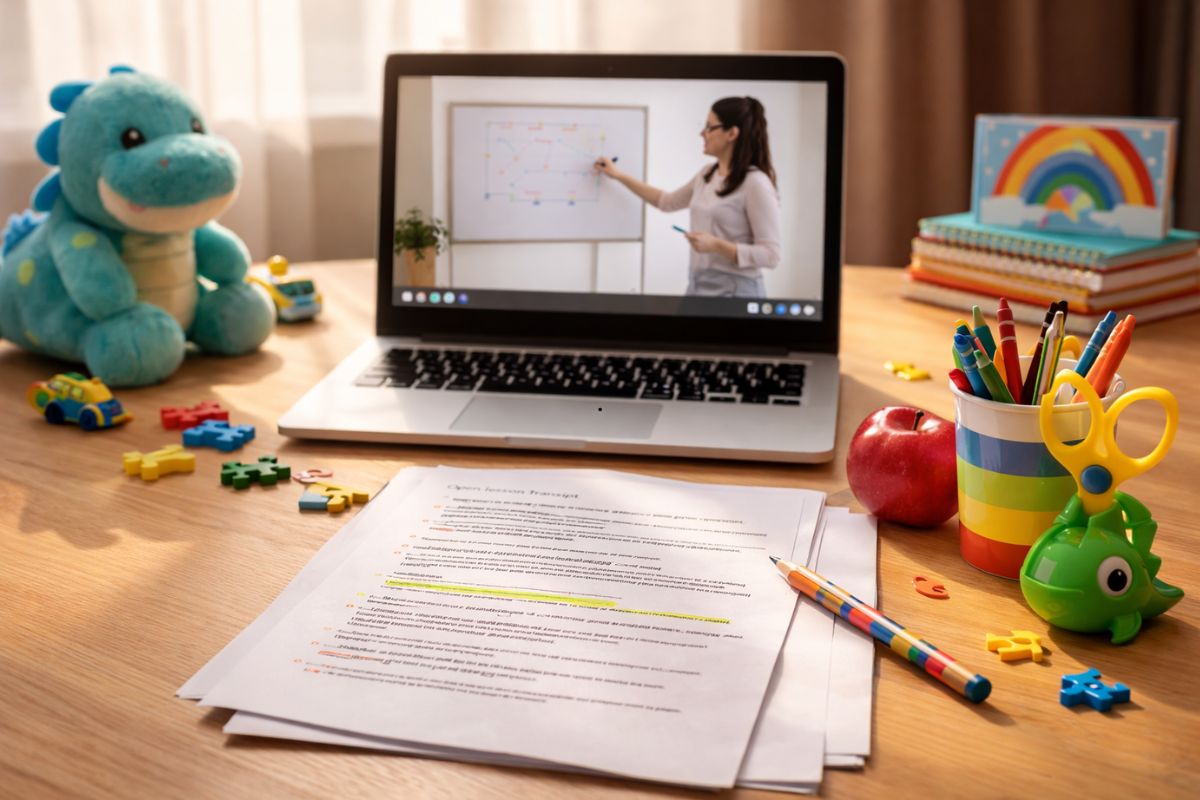
Using Lesson Transcripts to Support Independent Learning
Some students leave a lesson feeling inspired, then struggle to recall the exact explanation that made everything click. A transcript changes that. It turns spoken teaching into something visible, searchable, and calm. Instead of relying on memory alone, learners can return to the teacher’s words, reread a difficult section, and […]
Read More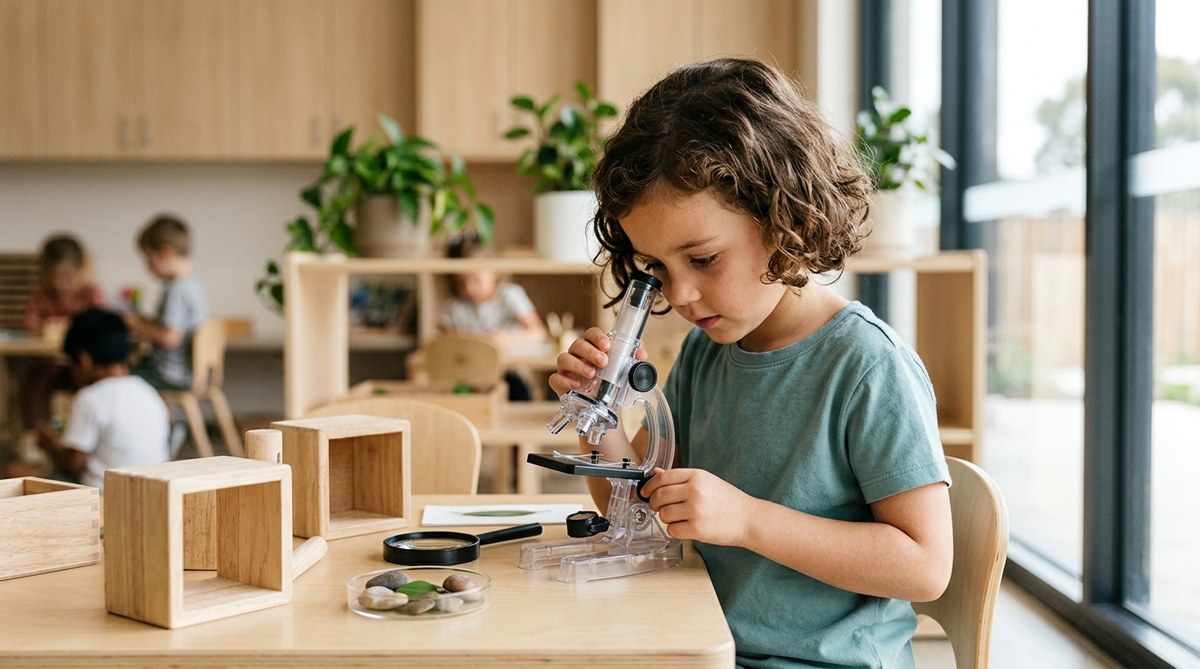
Self-Directed Learning: Science-Backed Benefits for Children
Self-Directed Learning: Science-Backed Benefits for Children Imagine a learning journey where children pursue questions that matter to them, choose tasks that fit their interests, and grow confident through steady discovery. Self directed learning is not just a trend in education; it is a scientifically supported approach that aligns with how […]
Read More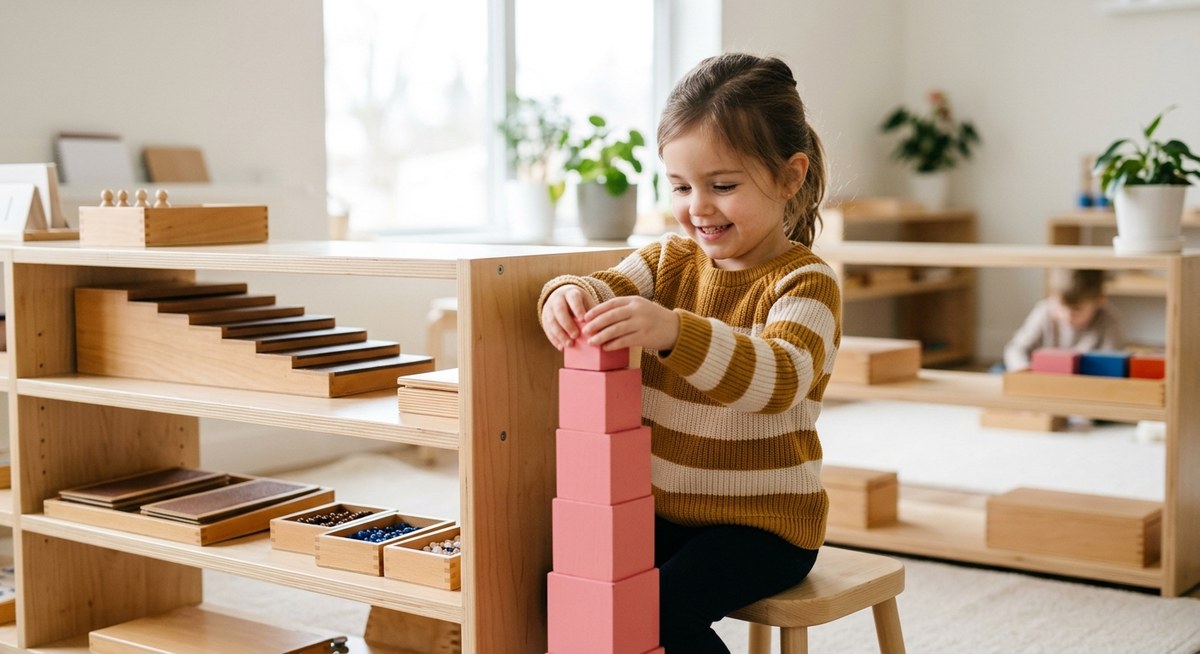
How Montessori Methods Support Early Brain Development
How Montessori Methods Support Early Brain Development From the moment a young child begins to explore the world, the brain is hard at work forming connections, pruning neural pathways, and learning how to regulate attention, emotions, and movement. Montessori methods offer a thoughtful, science aligned approach to early learning that […]
Read More
Baby Age and Development Calculators Every Parent Needs in 2026
The first years with a baby feel fast and tender at the same time. Days blur together. Growth feels sudden. One week a sleeper fits, the next it does not. Parents want reassurance. They want clarity. They want tools that respect how children grow as individuals. Baby calculators have quietly […]
Read More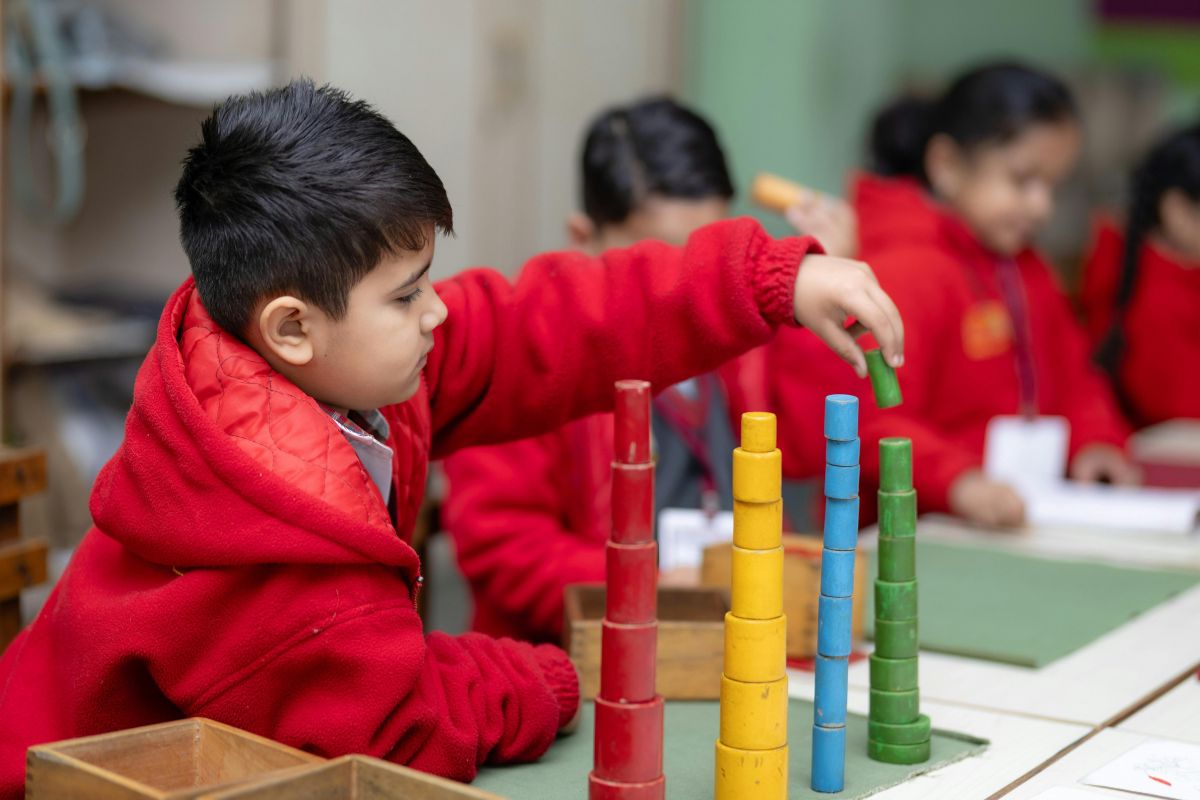
Self-Directed Learning in Montessori
Children are naturally curious. From a very young age, they show a strong desire to investigate, build, and ask questions. Montessori education recognizes this natural drive and creates an environment where children can take charge of their own learning. This idea, called self-directed learning, lies at the heart of the […]
Read More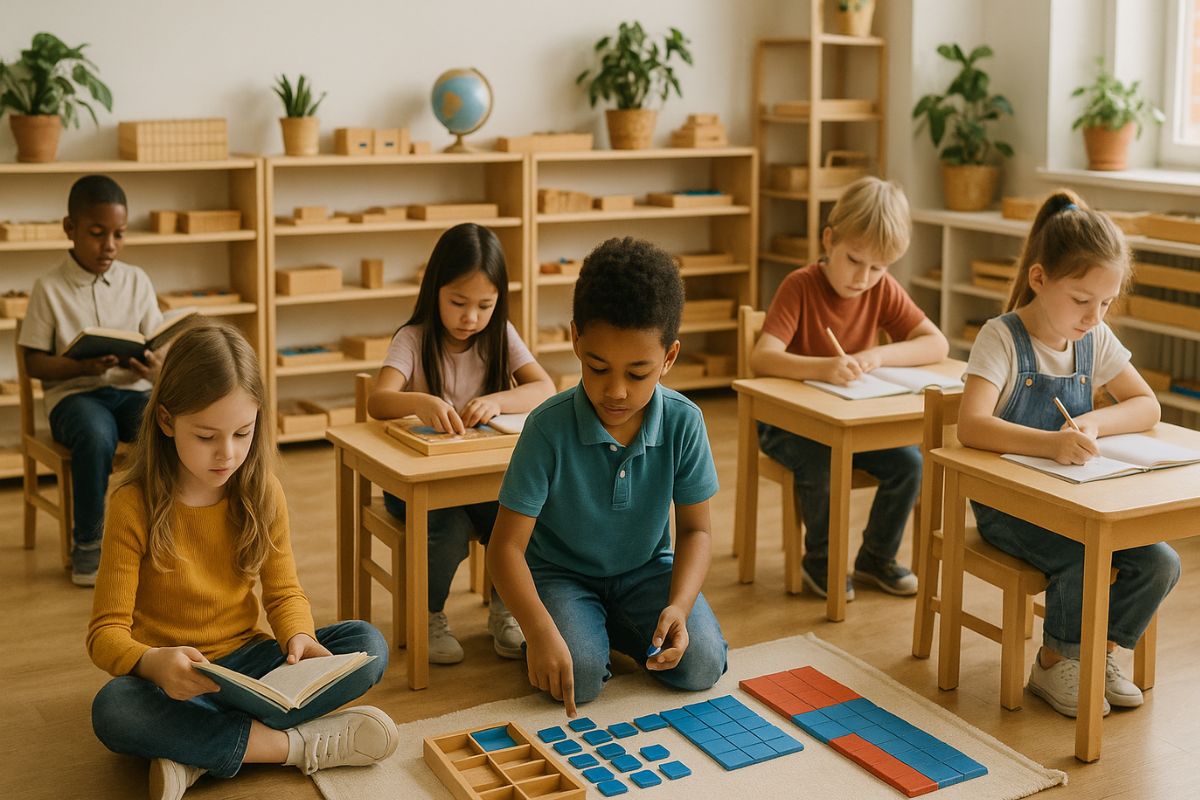
Academic Growth in Montessori Students
Academic success means more than just test scores. It’s about deep understanding, the ability to think clearly, and the confidence to keep learning. For Montessori students, academic growth looks different than in traditional classrooms. It happens through hands-on work, personal interest, and a thoughtful balance of freedom and structure. These […]
Read More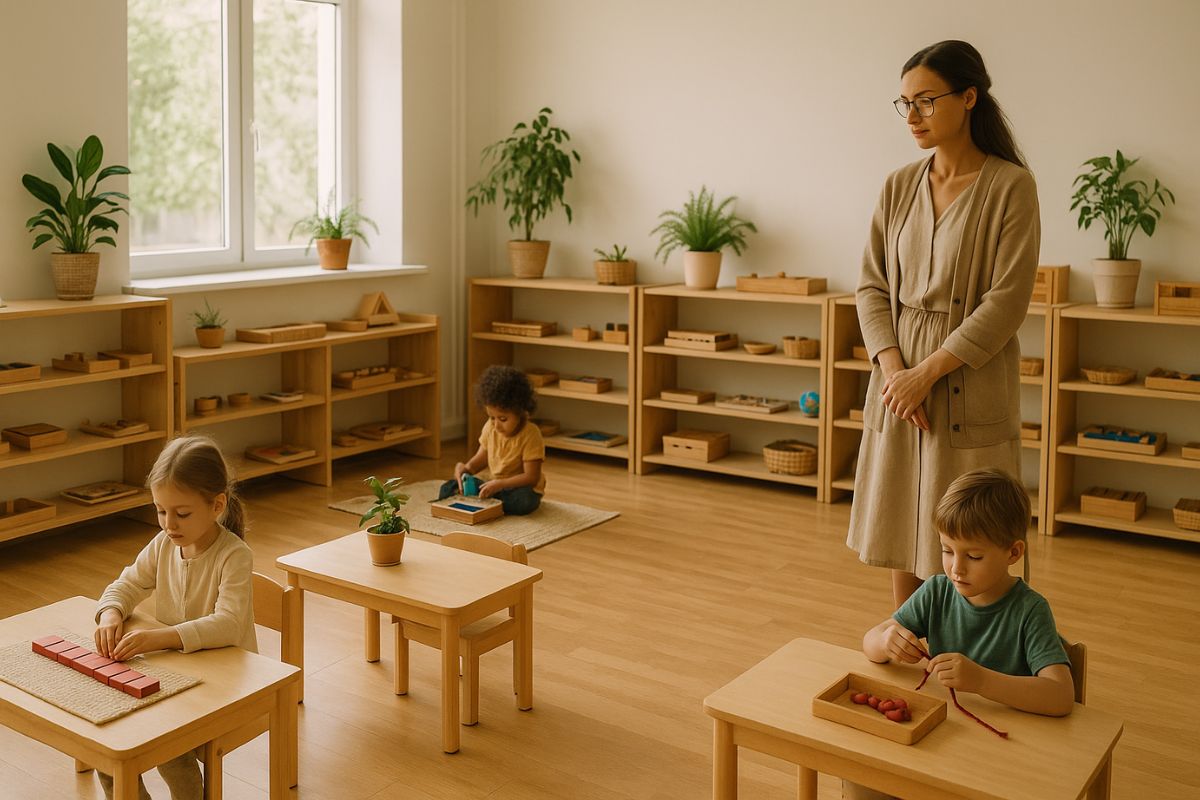
Scientific Insights on the Prepared Environment
Children grow best in spaces designed with purpose. In Montessori education, the concept of the prepared environment isn’t just a theory—it’s a central part of how children learn and thrive. But what does science say about it? How does current research support the careful design of learning spaces that meet […]
Read More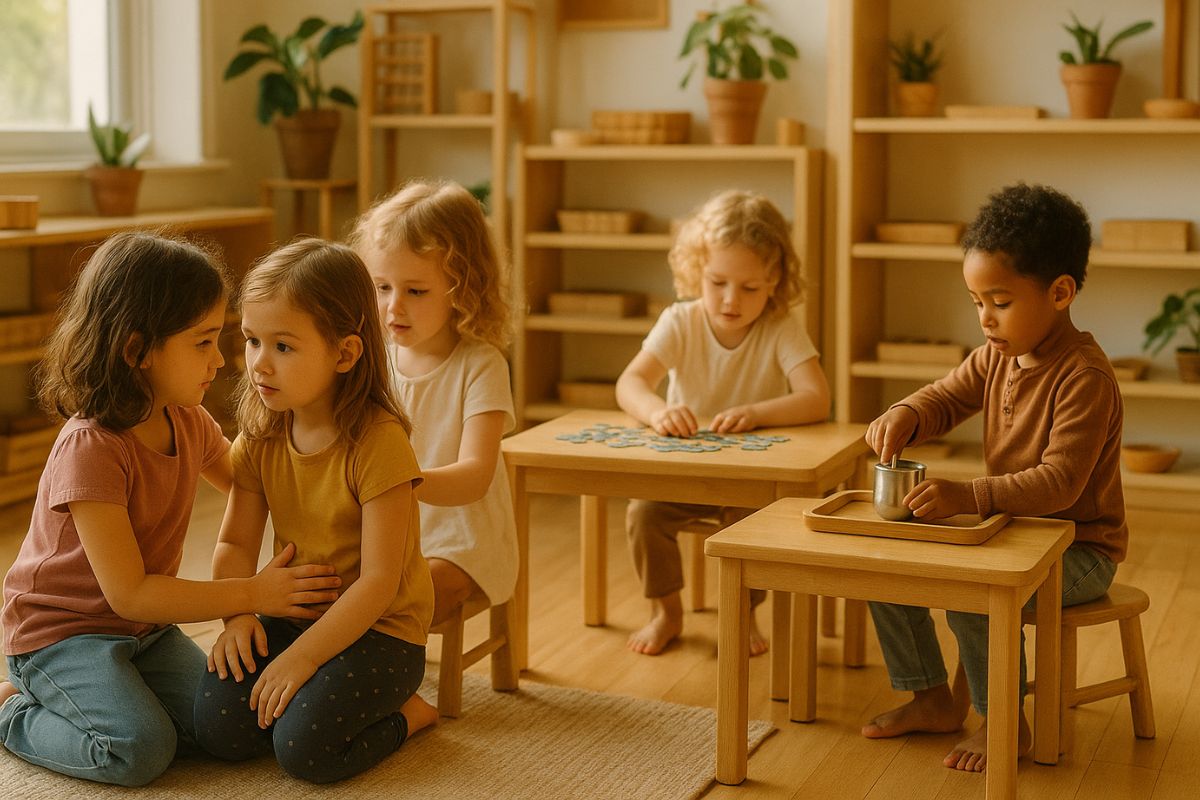
Social and Emotional Growth in Montessori
A child’s development reaches far beyond academics. The way they form friendships, solve conflicts, express feelings, and care for others shapes their daily lives and long-term well-being. In Montessori classrooms, social and emotional growth isn’t a separate subject. It’s woven into every part of the environment, from the way materials […]
Read More